01
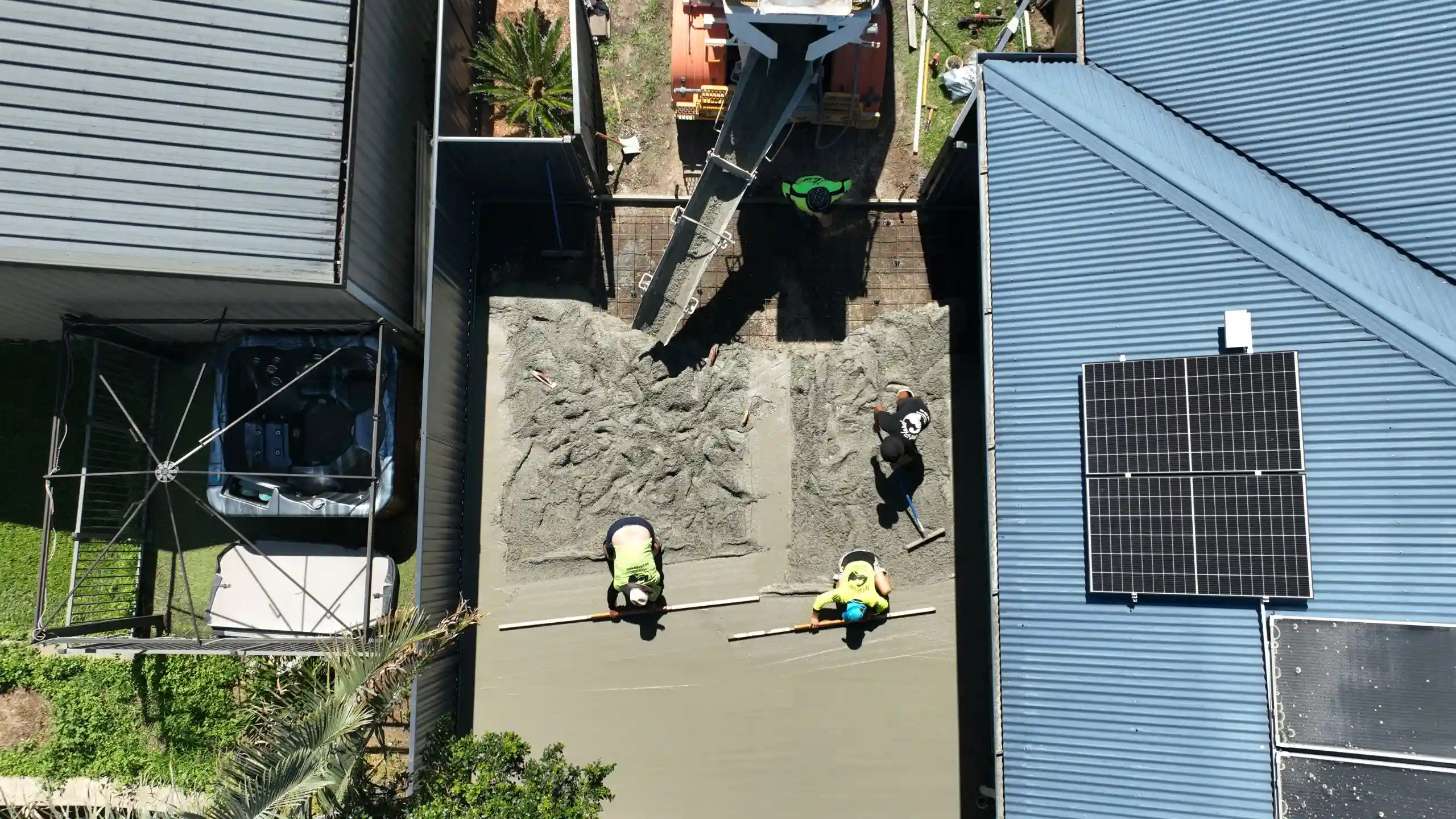
On site, a camera that supports it writes the first entry: the time, the device, sometimes even the lens, and it puts a digital marker on the file.
Insights / 15 September 2026 / 3 min read
Feeds are flooded with AI images and altered video, and trust is at an all-time low. In a world that no longer believes what it sees, this is how you show real people, real work and real proof.
It is the question people ask themselves now. They are on their phone, scrolling Facebook or wherever they have just seen your latest job, and they have been fooled often enough to check. So the real question is: what can we do to prove this is your people and your work?
There is now a standard for exactly that. It is called C2PA, better known as Content Credentials, and it exists to prove where a photo or video came from. We are setting it up now, on the photos on this site first, so you can check it works before it goes on anything we deliver for you.
A Content Credential is a small, signed record that lives in the file. The big camera makers, Adobe, Google and Microsoft are behind it, and it gets built up in four stages, from the camera to the customer.
On site, a camera that supports it writes the first entry: the time, the device, sometimes even the lens, and it puts a digital marker on the file.
Cropping, straightening and colour are added to the record, not hidden from it. If a tool used AI for anything, that goes in too. Video works the same way through every stage of the edit.
The photo goes up with its record intact and a small CR mark appears on it. The same file carries the same record onto Google, into social and onto any website that keeps it.
They tap the mark, see who took it and when, and see that nothing was generated. In a world of AI and “is this real?”, that is going to matter more every year.
A small mark in the corner of the photo. They tap it, and a panel opens. No watermark, no logo, no line saying “real photos”: a record anyone can check, attached to the file itself.
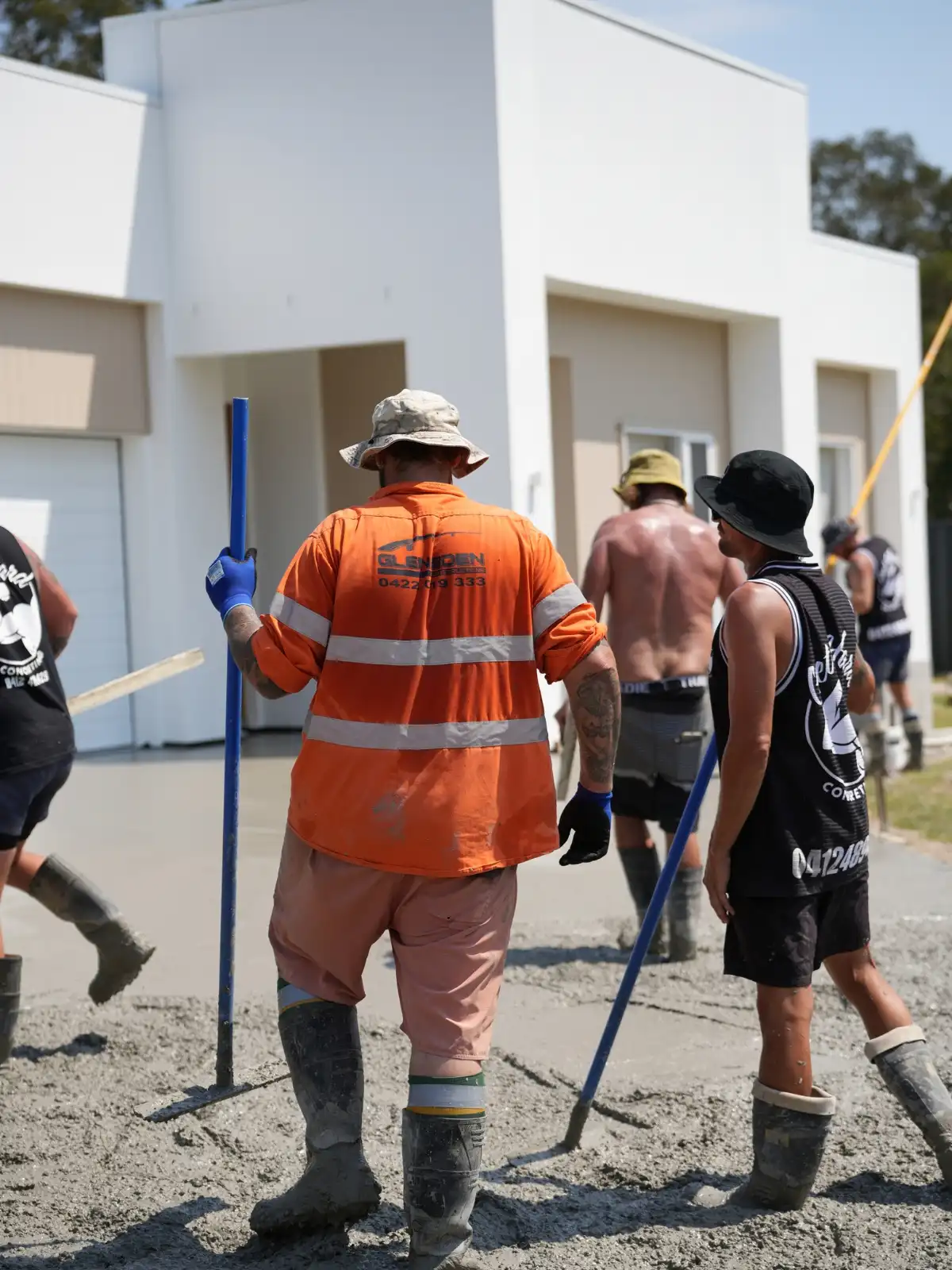
Google reads the same record in search, under About this image, and LinkedIn shows the mark on any photo that carries one. Anyone can check a file themselves at the standard’s own verify page.
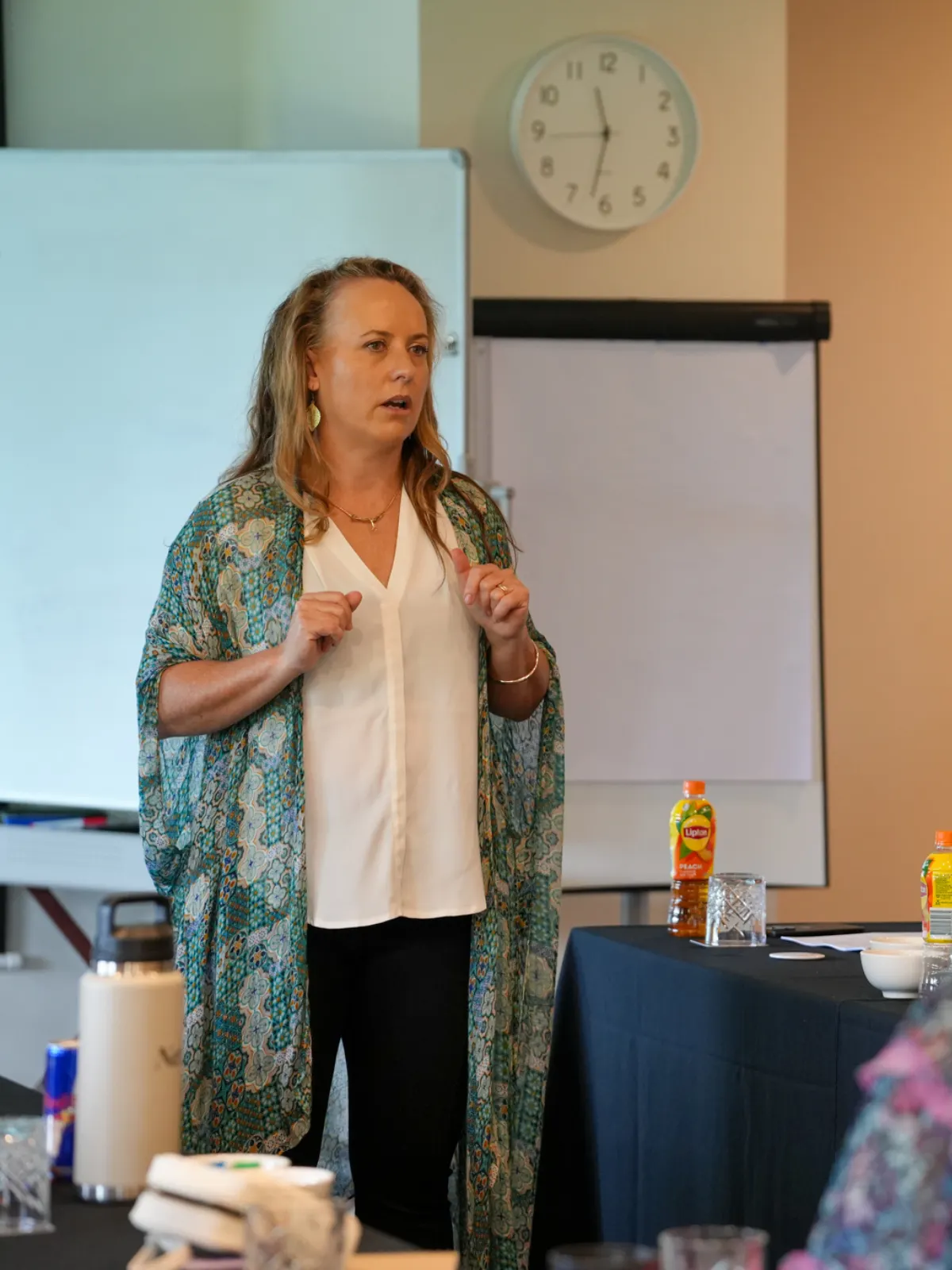
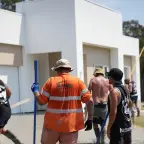
We come to site and photograph and film your work. Once the record is set up, it goes with every file, so your customer can see what they are looking at, and trust it.
It should. The record lives in the file, not the website, so it can go onto Squarespace or Wix with the photo. Some builders strip it when they compress an image, so every photo needs checking after upload. We are proving it on our own site first, before we put it on the sites we build.
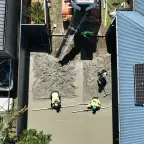
We say so, and with Content Credentials the record says so too. Taking a bin out of a driveway or a power line out of the sky is listed as an edit. To your customer it reads as a real job that was tidied up, which is exactly what it was.
Yes. The standard covers video the same way, through every stage of the edit to the final cut, so a customer can check a film the same way they check a photo.
Dakabin-based · On site across Brisbane
Tell us where the next job is and when it will be ready. We will come to site and capture it properly.
Got a job worth showing?
No pressure. Just a chat. 0494 720 298
Real businesses, shot on site
See the work